
Rooms That Evolve: Circular Interiors You Can Rebuild Again and Again
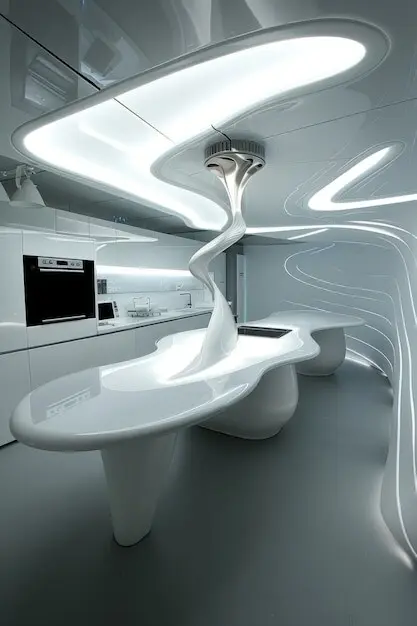
Today we explore Circular Interiors: Eco-Friendly Modular Materials and Reusable Components, turning static rooms into adaptable systems that waste less, last longer, and look better with every change. Expect practical strategies, inspiring examples, and tools you can apply immediately. Join the conversation, share your questions or experiments, and subscribe for hands-on resources, sourcing lists, and real-world updates as we build resilient, beautiful spaces together.

Design for Disassembly, Designed for Delight

Circular spaces begin with decisions that welcome change rather than fight it. Think layered assemblies that separate cleanly, standardized dimensions that mix across brands, and connections that come apart without damage. When interiors are intentionally reversible, creativity expands, schedules shrink, and materials retain value. You get expressive design that adapts to life’s twists, not rigid shells that demand demolition whenever needs evolve.

Materials That Return to the Cycle

Reclaimed Timber With Documented Journeys

Salvaged beams, gym floors, and barn sidings add warmth and narrative, yet demand diligence: verify moisture content, prior treatments, and structural ratings. Mill to interchangeable profiles to replace damaged pieces without fuss. Keep finishes breathable and repairable. By tracking provenance and dimensions, your timber can migrate into future rooms, carrying patina forward instead of becoming tomorrow’s skip-bin regret.

Metals That Love Infinite Rounds

Aluminum and steel frames thrive in circular interiors thanks to durability, standardized extrusions, and mature recycling streams. Specify alloys with high recycled content and clear scrap pathways. Design profiles with shared hole patterns and slot geometries so brackets, shelves, panels, and lights cross-pollinate. When layouts shift, metals return as structure, not scrap, staying in service across projects and tenants.

Bio-Based Panels That Feel Alive

Cork, mycelium, hemp-lime, and straw-composite boards offer acoustic calm, tactile richness, and renewable origins. Protect edges with demountable trims, avoid permanent glues, and use low-VOC finishes that tolerate touch-ups. Choose products with repair kits and end-of-life recipes. With gentle handling and thoughtful mounting, these panels can shuttle between rooms, keeping indoor air soothing and material cycles beautifully short.

Partitions Built for Reunions, Not Goodbyes

Select panelized walls with repeatable widths, reusable gaskets, and snap-in glazing that preserves seals. Label every part so it finds its match later. Acoustic performance remains reliable when joints and cores stay undisturbed. Whether shrinking meeting rooms or expanding studios, the system flexes without cutting, sanding, or repainting, keeping air cleaner and schedules mercifully short for busy teams.

Floors and Ceilings With Superpowers

Raised floors hide power and data in accessible cavities; modular ceilings capture acoustics while hosting lights, sensors, and vents. Tiles lift and lock without chipping. Services reroute in hours, not weeks. By decoupling structure from systems, you remove the usual bottlenecks that derail updates. Teams return Monday to a new layout, not a construction zone and apology emails.

Stories From Spaces That Refused to Waste

A Home That Grew Without Growing

In a 34-square-meter apartment, a modular wall rotated to birth a nursery by day and a studio by night. Nothing was cut, glued, or repainted. When grandparents visited, panels slid to form a quiet alcove. Months later, components reassembled into a reading nook, proving adaptability can feel magical, not mechanical, when materials and proportions are thoughtfully chosen from the start.

A Coworking Refresh Over a Weekend

A shared office swapped twelve closed rooms for hybrid collaboration bays using labeled partitions, reusable glazing, and a track-based lighting plan. Friday evening teardown, Saturday reassembly, Sunday cleaning, Monday open. Members noticed new energy, not construction dust. Salvaged panels became phone booths, and surplus frames were traded to a neighbor studio, extending the loop across the street with smiles.

Retail That Redresses With Grace

A boutique introduced seasonal stories by replacing interchangeable displays rather than refitting walls. Pegged metal grids accepted new shelves, signage, and mirrors in minutes. The team logged parts in a simple spreadsheet, minimizing loss and maximizing creativity. When moving locations, everything fit in a single van. The landlord appreciated the pristine handover, and the brand saved cash for artisans.

Measuring What Matters: Circular Proof, Not Circular Vibes

Great intentions deserve clear evidence. Track material origins, lifespans, and return paths using passports and annotated drawings. Compare designs with Life Cycle Assessment and Environmental Product Declarations, focusing on hot spots like finishes and ceilings. Score adaptability and recovery rates, not just recycled content. Numbers help teams defend bold choices, unlock client approvals, and secure partnerships that keep loops alive.

Care, Repair, and Return: Keeping Value in Play

Circular interiors thrive when operations are gentle, documented, and generous with spare parts. Maintenance rituals protect edges and seals; return agreements keep materials moving; storage guidelines prevent dings and warps. Staff training matters as much as specification. When people know how systems come apart, they stop forcing fits. Invite feedback from users, reward repair heroes, and celebrate successful returns publicly.

Maintenance That Feels Like Hospitality

Swap harsh cleaners for product-approved methods, schedule quick inspections after events, and keep a visible repair kit for small wins. Label shelves for spare gaskets and clips. When teams see scuffs disappear and squeaks fade within minutes, confidence grows. Care becomes culture, not chore, and components keep their dignity through countless rearrangements, open houses, and impromptu dance-floor experiments.

Reverse Logistics Without the Headaches

Plan transport as carefully as design. Flat-pack cartons, edge guards, barcodes, and photographs ensure parts return as heroes, not heartbreak. Assign a circulation manager or rotate the role monthly. Partner with manufacturers that refurbish and resell. Keep a shared calendar for swaps to minimize downtime. Logistics done right transforms storage rooms into treasure chests rather than chaos closets.

People Power the Loop

Onboarding sessions teach how panels unclip, tiles lift, and tracks lock. Before every reconfiguration, hold a five-minute huddle to review roles and handling tips. Celebrate successes with photos and shout-outs. Invite users to propose layouts that solve real frustrations. When occupants feel ownership, loops accelerate, waste slows, and the interior becomes a living laboratory for kindness and ingenuity.

Define the Rules of the Game

Set constraints that spark creativity: limited tools, two people, and an afternoon. Decide acceptable noise levels, cleanup windows, and accessibility needs. Photograph each phase to build confidence and guidance for future moves. Clear rules make experiments safer, cheaper, and more shareable, helping clients and colleagues say yes to ambitious modular strategies without fear of chaos or cost overruns.

Assemble the Right Kit

Curate a kit with demountable partitions, click-floor tiles, track lights, and modular storage. Add hand tools, spare fasteners, and protective blankets. Label everything and prepare simple assembly cards. When the team can read, lift, and lock without guessing, you avoid fatigue and breakages. The right kit transforms hesitation into momentum and keeps the pilot fun, fast, and photogenic.

Share, Iterate, and Invite Help

Post your before-and-after layouts, dwell on what surprised you, and ask the community for smarter joints or lighter panels. Tag manufacturers willing to refurbish or swap parts. Celebrate small wins loudly so leadership notices. With every iteration, your room becomes a case study, your team becomes braver, and the circular economy stops being abstract and starts being your daily practice.

Start Your Pilot: One Room, Three Transformations
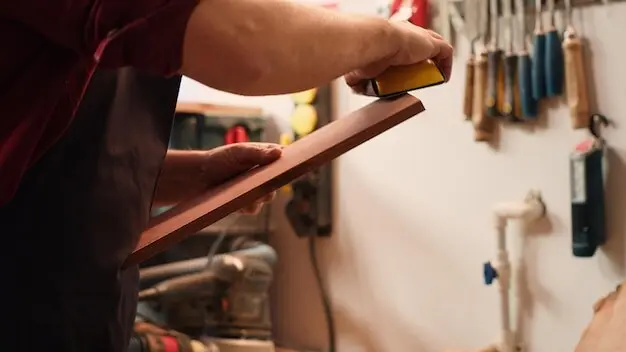
Pick a modest space and map three futures: focus work, collaboration, and hosting. Choose components that serve all three with zero adhesives. Document time, tools, and snags, then share results with your team and our community. Ask suppliers for take-back terms before purchase. Subscribe for checklists, sourcing directories, and templates so your next transformation becomes easier, faster, and proudly waste-free.
Miravexodexoveltotelisano
Privacy Overview

This website uses cookies so that we can provide you with the best user experience possible. Cookie information is stored in your browser and performs functions such as recognising you when you return to our website and helping our team to understand which sections of the website you find most interesting and useful.